
Soothing Sage Green Basement Ideas
Ready to infuse your home with tranquility and style? The allure of a sage green basement is undeniable, offering a fresh perspective on transforming often-overlooked lower levels. This article dives deep into everything you need to know to create your dream space. From exploring the perfect paint shades and complementary decor to practical layout tips and smart lighting solutions, we’ll guide you through making your sage green basement a serene and inviting retreat. Get ready to unlock the full potential of your home with this sophisticated and calming color palette!
Sage Green Basement Walls Make You Feel Relaxed
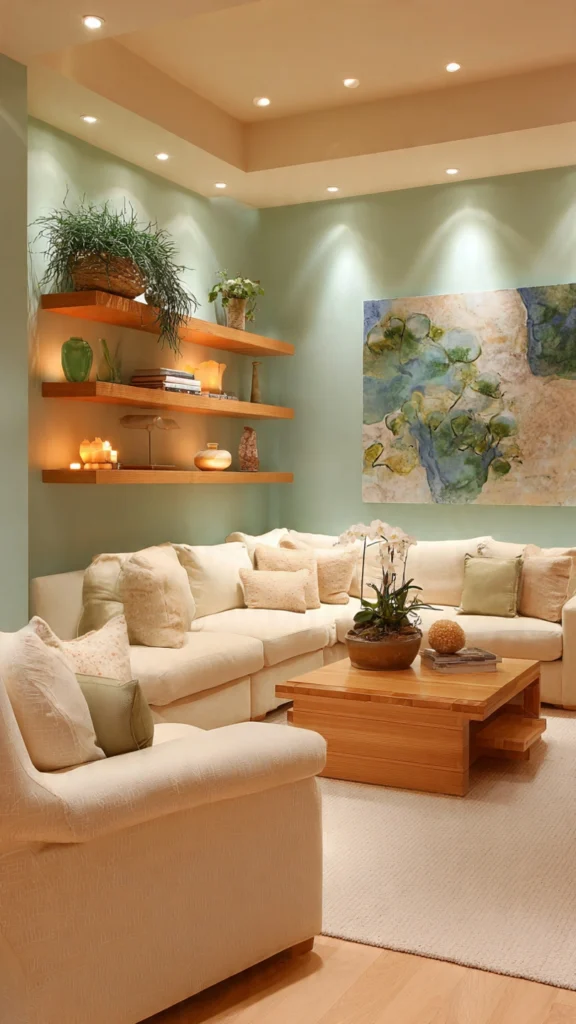
Painting your basement walls in sage green instantly transforms the atmosphere from dark and dreary to calm and welcoming. This particular shade of green has psychological benefits that promote relaxation and reduce stress levels naturally. The muted tone doesn’t overwhelm smaller basement spaces, instead creating an airy feeling that counteracts the typical closed-in sensation of underground rooms. Sage green walls serve as a perfect neutral backdrop that allows furniture and décor to shine while maintaining a cohesive aesthetic throughout the space.
When selecting the perfect sage green for your basement walls, consider the existing lighting conditions carefully. Basements with limited natural light benefit from lighter sage tones with more gray undertones, which reflect artificial light beautifully. If your basement has windows or ample lighting, you can explore deeper sage shades for added drama and sophistication. The key is testing paint samples in different areas and observing how they appear throughout the day under various lighting conditions.
The beauty of sage green walls lies in their incredible versatility with complementary colors and materials. Pair them with crisp white trim for a classic, clean look that brightens the entire basement. Natural wood elements add warmth and texture, creating a harmonious connection to nature. Metallic accents in brass, gold, or copper introduce subtle glamour without disrupting the peaceful ambiance. Even bold accent colors like terracotta, navy, or charcoal work wonderfully against sage green walls, offering endless decorating possibilities.
Plush Sage Velvet Sofas Help You Unwind Faster
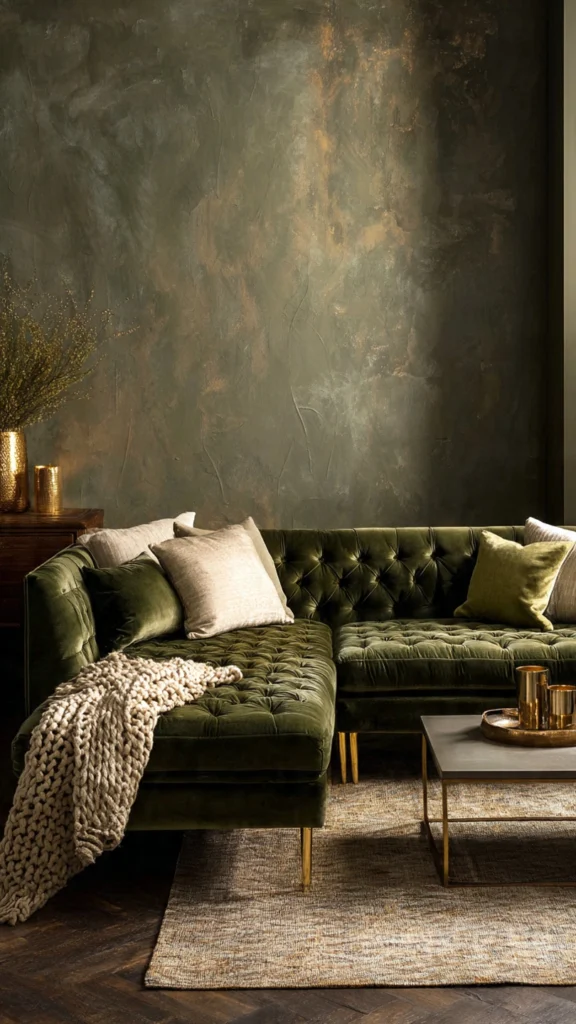
Investing in a plush sage velvet sofa elevates your basement from ordinary to extraordinary while providing ultimate comfort. Velvet’s rich texture catches light beautifully, creating depth and visual interest that transforms the space. The tactile quality of velvet invites you to sink in and relax, making it perfect for basement entertainment areas or cozy reading nooks. Sage green velvet specifically offers sophistication without being overly formal, striking the perfect balance between elegance and approachability for everyday use.
The practical benefits of choosing velvet upholstery for basement furniture extend beyond aesthetics alone. High-quality velvet is surprisingly durable and resistant to wear, making it suitable for high-traffic family areas. Modern velvet fabrics often come with stain-resistant treatments that protect against spills and accidents common in basement entertainment spaces. The fabric’s dense weave also provides excellent insulation, helping maintain comfortable temperatures in typically cooler basement environments throughout different seasons.
Styling your sage velvet sofa creates opportunities for layering textures and introducing complementary design elements. Throw pillows in varying fabrics like linen, cotton, and faux fur add dimension while keeping the color palette cohesive. A chunky knit throw in cream or ivory provides warmth and visual contrast against the smooth velvet surface. Position the sofa to create conversation areas or orient it toward entertainment centers for optimal basement functionality. The sage green color grounds the space while allowing you to experiment with accent pieces freely.
Built In Sage Shelving Eliminates Your Clutter
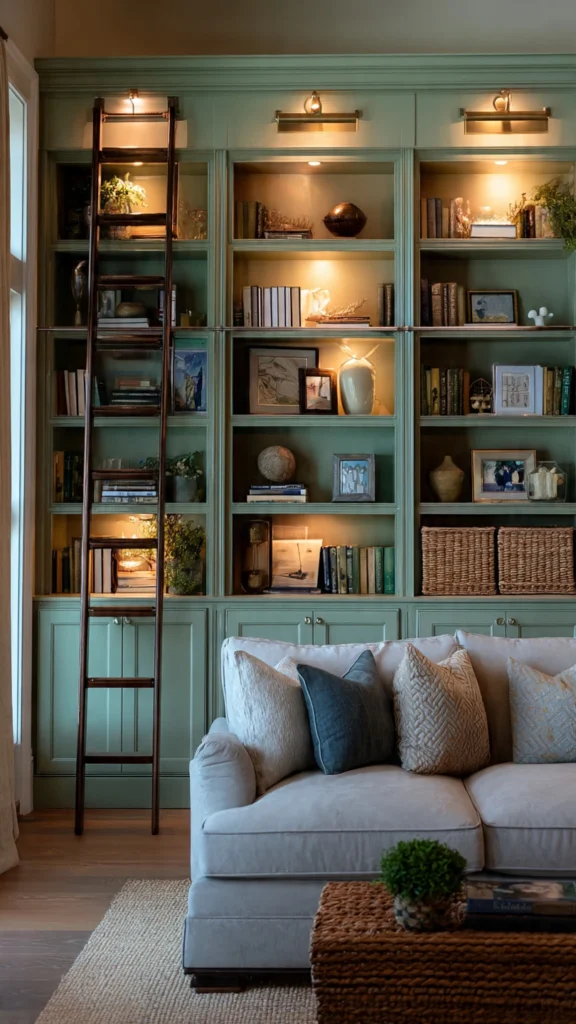
Built-in shelving painted in sage green provides both practical storage solutions and stunning visual impact in basement spaces. Custom shelving maximizes every inch of available wall space, particularly important in basements where square footage is precious. The sage green color makes these functional elements feel intentional and decorative rather than purely utilitarian. Built-ins create architectural interest in basements that often lack character, transforming blank walls into beautiful focal points that showcase your belongings attractively.
Designing built-in sage shelving requires thoughtful planning to ensure optimal functionality for your specific needs. Consider incorporating a mix of open shelving for display items and closed cabinets for concealing less attractive necessities. Adjustable shelves accommodate items of varying heights, from small decorative objects to large books or electronic equipment. Integrated lighting within the shelving units highlights your curated collections while providing ambient illumination for the entire basement. The combination of form and function makes built-ins a worthwhile investment for basement renovations.
Styling sage green built-ins transforms them from simple storage into curated displays that reflect your personality. Group books by color for a visually pleasing rainbow effect or arrange them by size for a more structured appearance. Incorporate decorative objects in complementary materials like ceramic, brass, or natural wood to add variety and interest. Woven baskets in natural fibers provide concealed storage while introducing texture that softens the painted wood. Rotate seasonal décor to keep the shelving fresh and engaging throughout the year, making your basement feel dynamic and lived-in.
Layered Sage Textiles Make Rooms Look Bigger
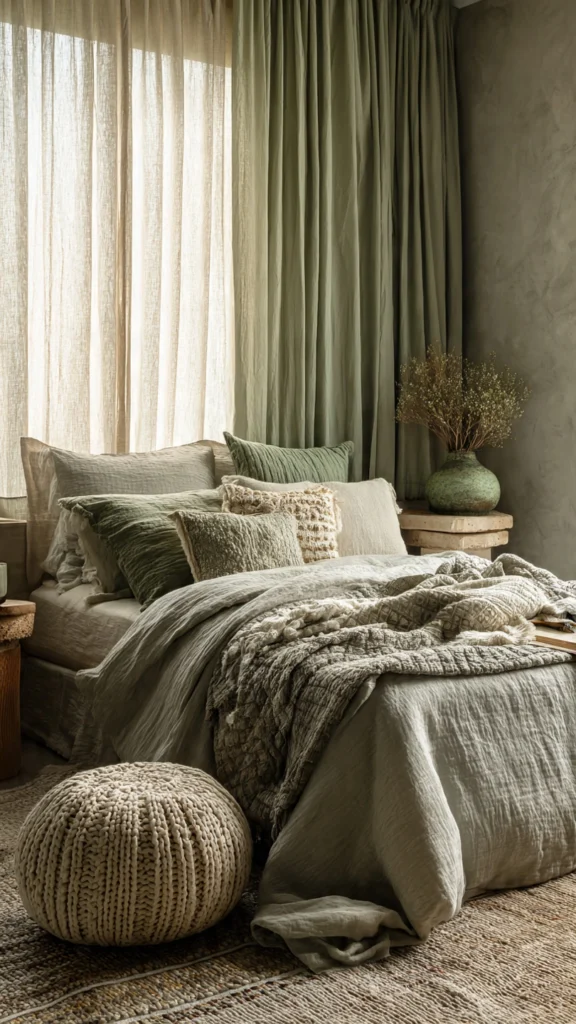
Incorporating multiple sage green textiles throughout your basement creates visual cohesion that actually makes spaces appear larger and more expansive. Layering different shades and textures of sage prevents monotony while maintaining a unified color story that guides the eye smoothly through the room. This technique works particularly well in basements where you want to create distinct zones without using physical dividers that might make the space feel cramped. The tonal variation adds sophisticated depth that elevates the overall design aesthetic considerably.
Selecting textiles in various sage green tones allows you to play with light and shadow effects naturally. Lighter sage tones on larger pieces like curtains or sofas reflect more light, brightening the basement significantly. Medium sage shades work beautifully for area rugs or upholstered chairs, providing grounding elements without overwhelming the space. Darker sage accents in throw pillows or blankets add richness and prevent the palette from feeling washed out. This layered approach creates a designer look that feels intentional and professionally curated despite its simplicity.
The beauty of working with sage textiles lies in the incredible variety of textures available. Combine smooth linen with nubby wool, soft velvet with crisp cotton, and chunky knits with sleek silk for maximum visual interest. Different textures catch and reflect light uniquely, creating dimension that flat surfaces cannot achieve alone. This layering technique also allows you to adjust the room’s coziness factor seasonally, adding heavier textiles in winter and lighter ones in summer. The result is a basement that feels comfortable and inviting year-round while maintaining its sophisticated aesthetic.
Sage Painted Ceilings Boost Your Mood Daily
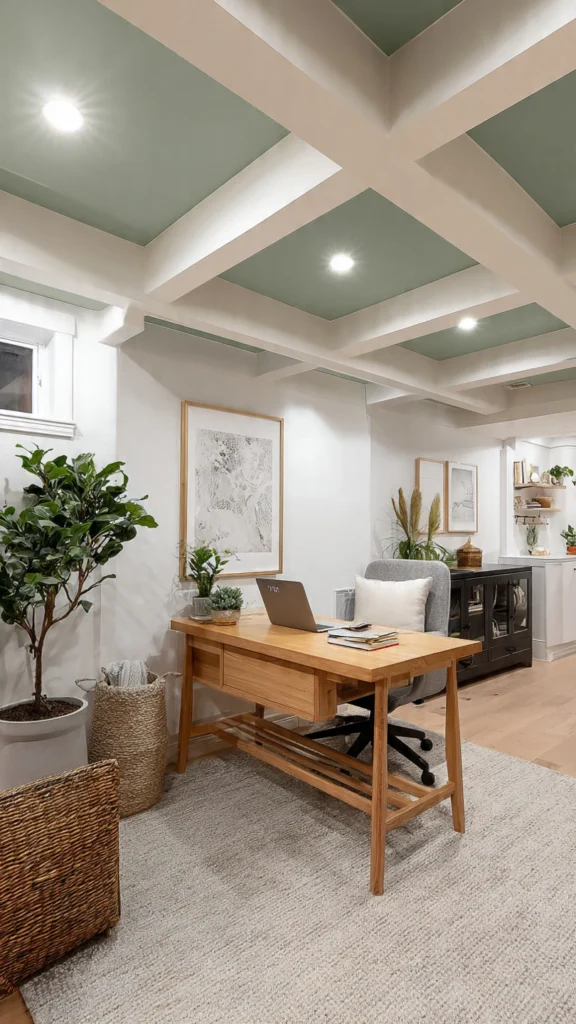
Painting your basement ceiling in sage green creates an unexpected design moment that dramatically impacts the room’s atmosphere. While white ceilings remain standard, a sage ceiling adds character and warmth to basements that often feel cold and institutional. The color draws the eye upward, making low basement ceilings feel less oppressive and more intentional. This bold choice demonstrates design confidence while still maintaining a calming environment conducive to relaxation and productivity in below-ground spaces.
The psychological impact of sage green overhead should not be underestimated for basement environments. Color psychology suggests green promotes feelings of balance, renewal, and peace, making it ideal for spaces where you spend extended time. A sage ceiling creates a cocoon-like effect that feels protective and nurturing rather than claustrophobic. This works exceptionally well in basement bedrooms, meditation spaces, or home offices where mental clarity and emotional balance are important. The subtle color overhead influences your mood positively without demanding conscious attention.
Coordinating a sage ceiling with the rest of your basement requires thoughtful consideration of proportions and balance. Pairing a sage ceiling with lighter walls in cream, white, or pale gray creates beautiful contrast while keeping the space feeling airy. Alternatively, matching sage walls and ceiling in slightly different tones creates a monochromatic envelope that feels sophisticated and cocoon-like. Add contrast through flooring, furniture, and accessories to prevent the space from feeling flat. The ceiling color becomes a unifying element that ties together all other design decisions seamlessly.
Matching Sage Storage Cabinets Organize Your Space
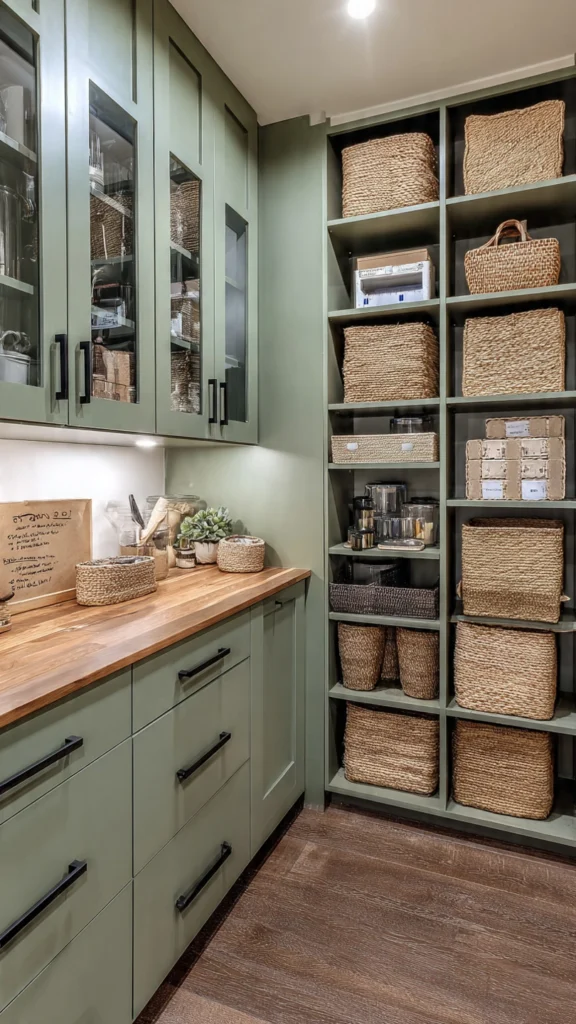
Custom storage cabinets painted in sage green transform necessary basement storage from eyesore to design feature effortlessly. Basements naturally accumulate seasonal items, tools, and miscellaneous belongings that need organized storage solutions. Sage green cabinets provide this functionality while contributing to the overall aesthetic rather than detracting from it. The color choice makes these practical elements feel intentional and beautiful, encouraging you to maintain organization because the system itself is visually appealing and enjoyable to use.
Designing sage storage cabinets requires careful consideration of your specific storage needs and available basement space. Full-height cabinets maximize vertical storage, particularly valuable in basements with lower ceilings where floor space is limited. Include a mix of deep cabinets for bulky items and shallower ones for frequently accessed supplies. Glass-front upper cabinets in sage green frames display attractive items while protecting them from basement dust and moisture. Open shelving sections break up solid cabinetry, preventing the wall from feeling too heavy while providing spots for decorative displays.
The hardware and finishing details on sage cabinets significantly impact the overall look and functionality. Brass or gold hardware adds warmth and luxury to the soft green color, creating an upscale appearance. Matte black hardware offers modern contrast that makes the sage color appear more vibrant and contemporary. Soft-close hinges and drawer glides ensure quiet operation, important in basements used as entertainment or sleeping spaces. Consider adding interior lighting to cabinets for improved visibility and ambiance, making the storage both practical and atmospheric in your finished basement.
Sage Accent Chairs Grab Attention Immediately
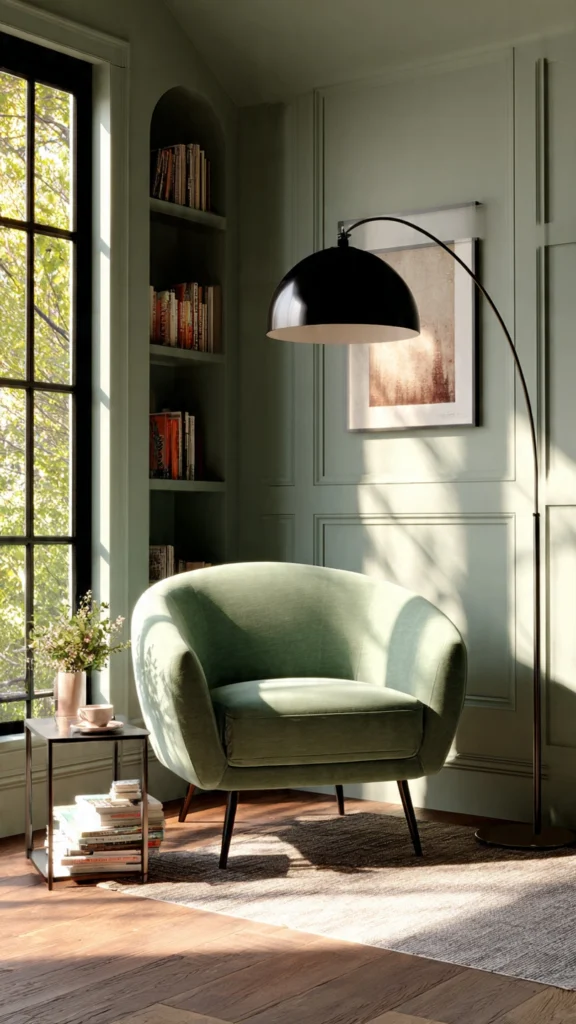
A sage green accent chair serves as an instant focal point that anchors your basement seating area beautifully. Unlike full sofas or sectionals, accent chairs offer flexibility in arrangement and can be moved to accommodate different activities. The sage color provides visual interest without overwhelming smaller basement spaces where too much color might feel oppressive. Strategically placed accent chairs create conversation areas, reading nooks, or additional seating that enhances both functionality and aesthetics in your below-ground living space.
Selecting the right style accent chair in sage green depends on your overall basement design direction. Mid-century modern chairs with clean lines and wooden legs suit contemporary basements perfectly, offering timeless appeal. Wingback chairs in sage green velvet or linen bring traditional elegance to more formal basement spaces like home offices or libraries. For a deeper dive into wingback chair designs and their history, check out this guide to wingback chairs. Overstuffed club chairs in sage leather or performance fabric work beautifully in casual family rooms where comfort reigns supreme. The style you choose should complement existing furniture while adding personality and visual variety to the space.
Positioning and styling sage accent chairs maximizes their impact in basement layouts thoughtfully. Place them at angles to soften rigid room arrangements and improve traffic flow naturally. Pair with complementary side tables in wood, metal, or stone to create functional vignettes for beverages and books. Layer with throw pillows in coordinating patterns that introduce additional colors from your overall palette. A small area rug beneath the chair defines the space and adds comfort underfoot. Proper placement and styling transforms a simple chair into a destination spot within your basement sanctuary.
Vintage Sage Rugs Make Spaces Look Expensive
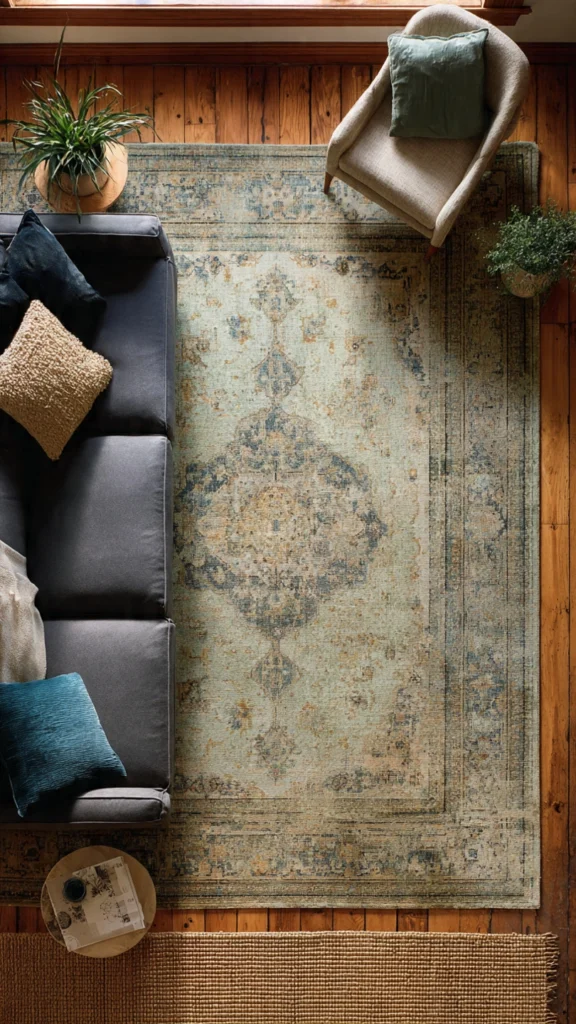
Vintage rugs in sage green tones add instant sophistication and character to basement spaces that often feel new and characterless. The worn, faded quality of vintage rugs introduces history and storytelling that new pieces simply cannot replicate. Sage green vintage rugs work particularly well in basements because the muted color doesn’t compete with other design elements while still making a significant visual statement. The investment in a quality vintage rug elevates the entire space, making it feel curated and expensive rather than decorated on a budget.
Finding the perfect vintage sage rug requires patience and an eye for quality and authenticity. Genuine vintage rugs show natural wear patterns that add to their charm rather than diminish their value. Look for pieces with intact fringe, even if slightly worn, indicating the rug has been cared for properly. The sage green color in vintage rugs often appears more muted and complex than modern dyes, with subtle variations that create depth. Online marketplaces, estate sales, and specialty rug dealers offer opportunities to find unique pieces that suit your basement’s specific dimensions and style.
Styling vintage sage rugs in basement spaces requires understanding proper placement and scale for maximum impact. Ensure the rug is large enough that all furniture pieces either sit completely on it or have front legs resting on it. This creates visual cohesion and makes the space feel larger and more intentional. Layer smaller rugs over larger ones for added texture and bohemian flair that suits relaxed basement environments. Keep the surrounding décor relatively simple to allow the vintage rug’s pattern and color to serve as the room’s focal point and conversation starter.
DIY Sage Wall Treatments Save You Money
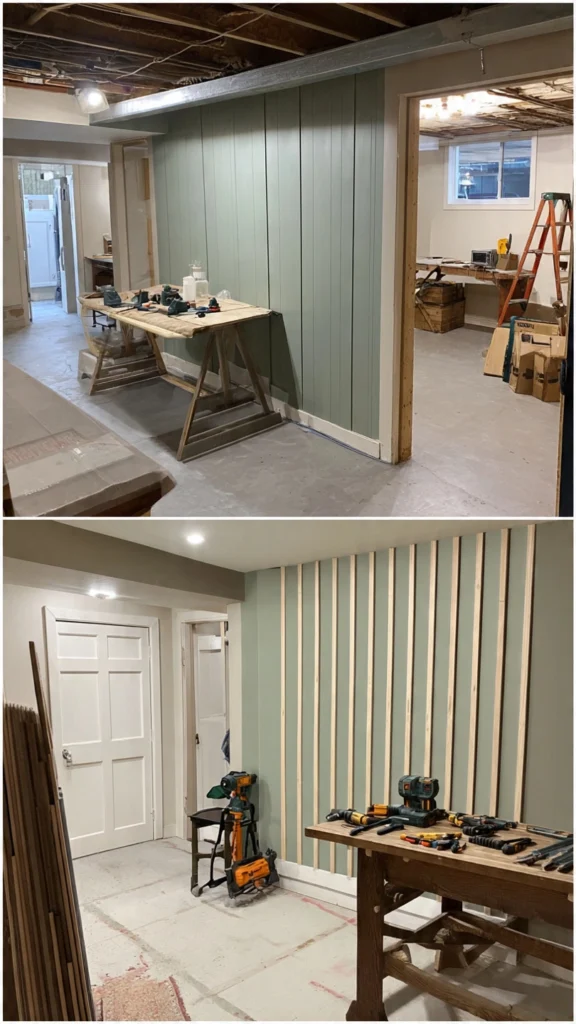
Creating DIY sage wall treatments offers budget-friendly ways to introduce color and texture to basement walls creatively. Beyond simple paint, treatments like board and batten, shiplap, or geometric patterns add architectural interest that basements typically lack. Using sage green paint or stain on these treatments creates custom looks that appear professionally designed. DIY projects allow you to personalize your basement exactly to your preferences while developing new skills and saving significant money compared to hiring contractors.
Popular DIY sage wall treatments vary in complexity, allowing you to choose projects matching your skill level. Simple techniques like color-blocking with painter’s tape create modern geometric designs requiring minimal tools. Installing pre-primed MDF boards in vertical or horizontal patterns adds dimension before painting them sage green. Stenciling botanical or geometric patterns in sage over neutral walls provides artistic flair without permanent commitment. Wood slat walls stained in sage tones introduce natural texture and warmth. Each technique offers unique visual impact while remaining accessible to determined DIYers.
Successfully executing sage wall treatments requires proper preparation and patience throughout the process. Begin by thoroughly cleaning and priming basement walls to ensure paint adhesion, especially important in potentially damp environments. Invest in quality painter’s tape for crisp lines and professional-looking results. Take time to properly measure and mark placement before cutting materials or painting. Apply multiple thin coats rather than one thick coat for even color distribution and professional finish. Seal the completed treatment with clear polyurethane in moisture-prone basements to protect your hard work and ensure longevity.