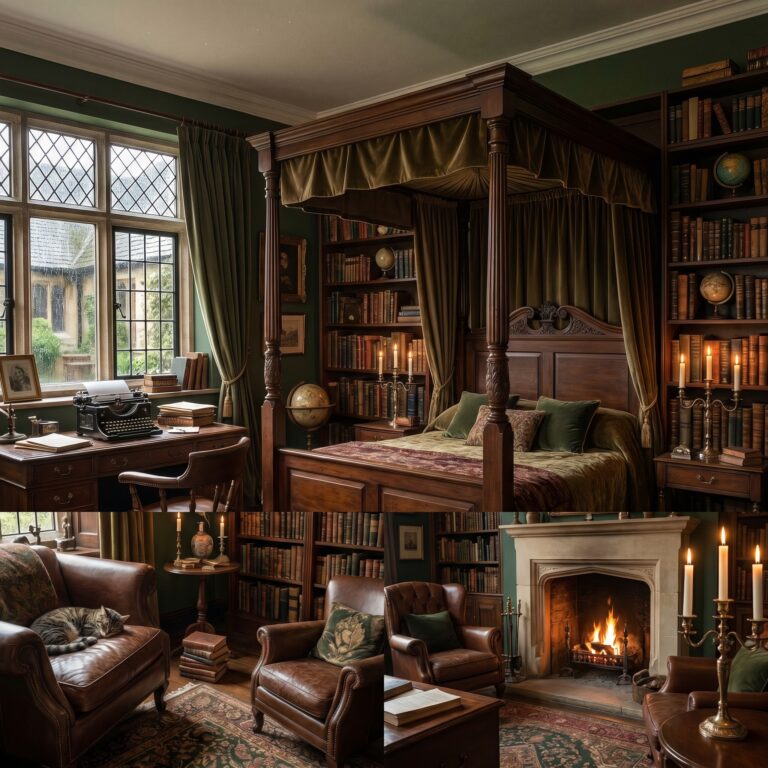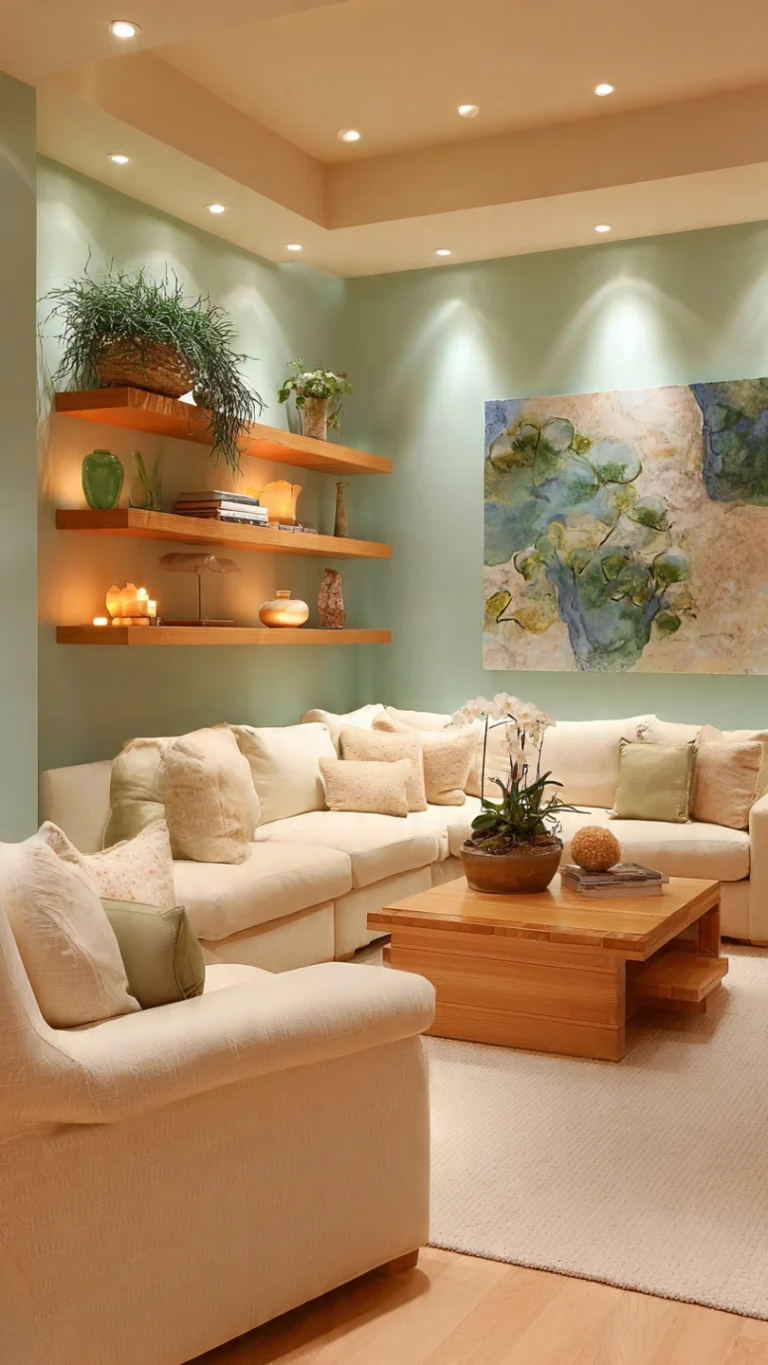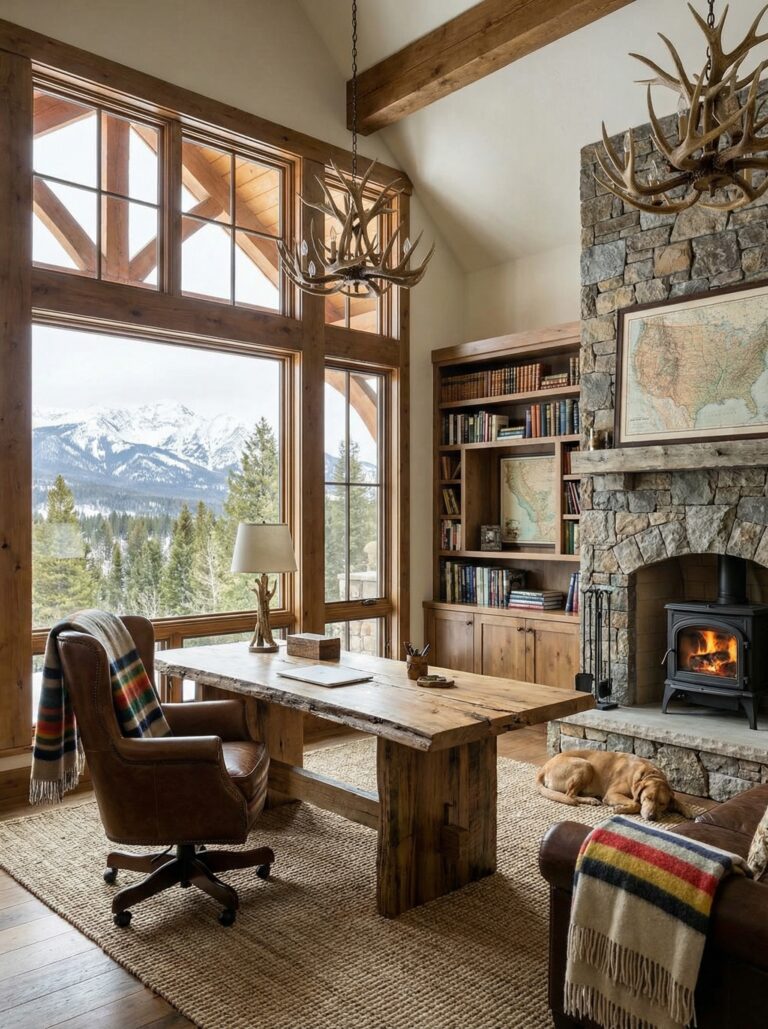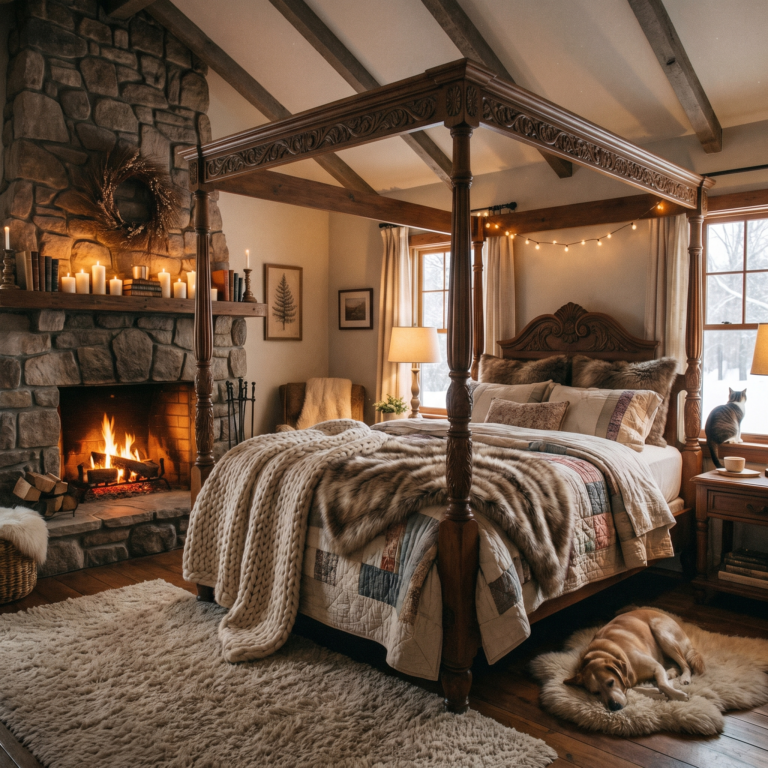

Spacious Edwardian Living Rooms That Take You Back an Era
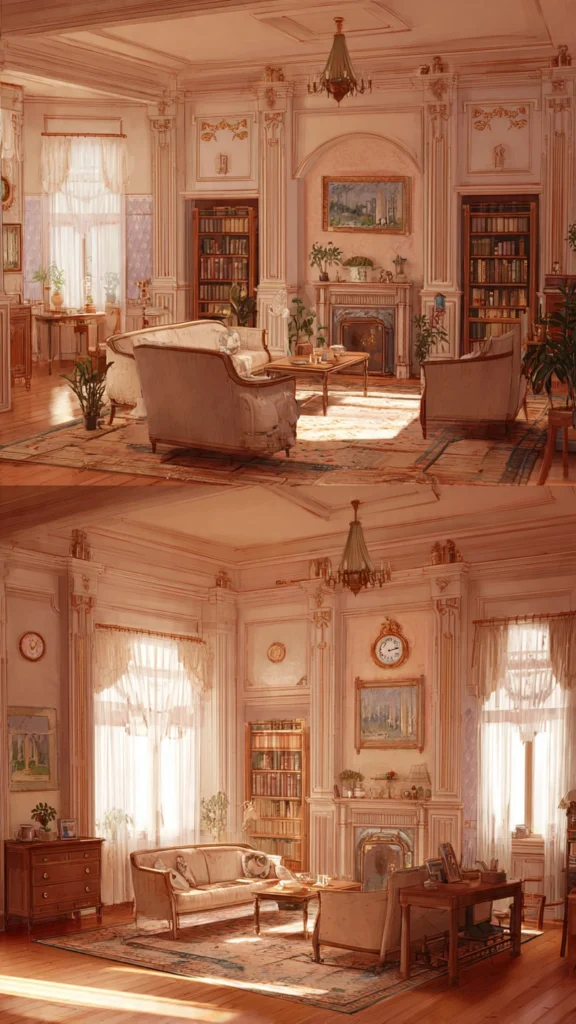
Spacious Edwardian living rooms represent the pinnacle of early 20th-century interior design, blending architectural grandeur with refined elegance. These generous spaces, characterized by high ceilings, ornate plasterwork, and abundant natural light, continue to captivate homeowners and design enthusiasts alike. In this comprehensive guide, we’ll explore 15 timeless design ideas that capture the essence of spacious Edwardian living rooms. From grand bay windows with stained glass accents to rich wood paneling and elegant fireplace mantels, you’ll discover how to incorporate authentic period features into your home. Whether you’re restoring a historic property or seeking inspiration for a modern space, these design elements will help you create a living room that exudes the sophistication and warmth characteristic of the Edwardian era.
1. Grand Bay Windows with Original Stained Glass Accents
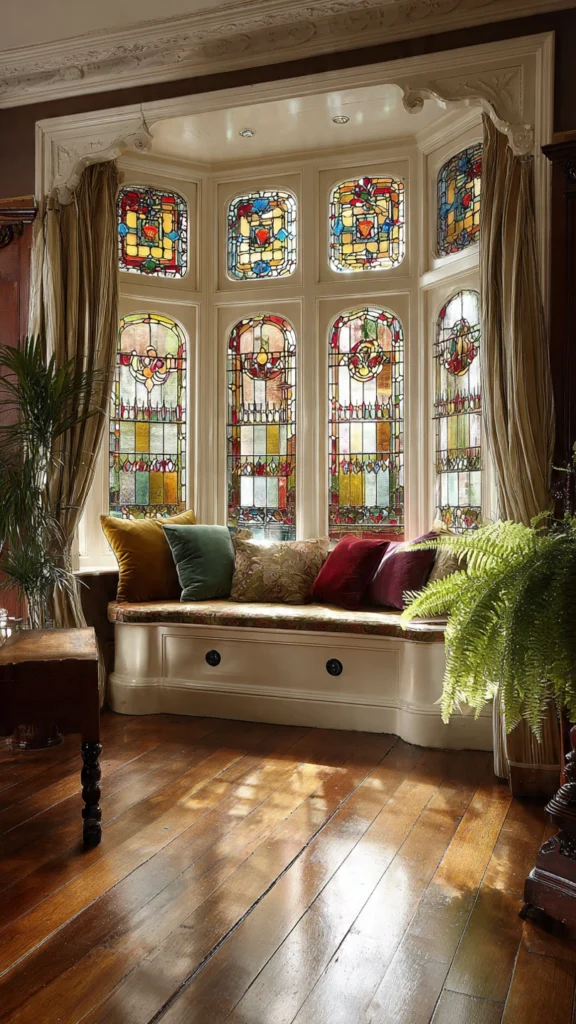
Bay windows stand as one of the most distinctive features of Edwardian living rooms, offering both architectural grandeur and practical benefits. These generous window formations extend outward from the main wall, creating additional floor space while flooding the room with natural light from multiple angles. The curved or angled design typically features floor-to-ceiling glass panels that maximize sunlight penetration, making even the largest rooms feel bright and welcoming throughout the day.
Original stained glass panels, often positioned in the upper portions of bay windows, add a layer of artistic sophistication that’s quintessentially Edwardian. These decorative elements typically showcase geometric patterns or stylized floral motifs in jewel tones, creating captivating light displays as sunlight filters through. The colored glass serves both aesthetic and practical purposes, offering privacy while maintaining luminosity. Modern homeowners can replicate this effect with custom stained glass inserts or high-quality reproductions that honor the period’s craftsmanship.
The window seat integrated into bay window designs provides both functional seating and storage opportunities. Traditionally upholstered in rich fabrics like velvet or damask, these built-in benches create cozy reading nooks that capitalize on natural light. Contemporary interpretations might include hinged seats that reveal storage compartments underneath, perfectly balancing period authenticity with modern practicality. Adding plush cushions and throw pillows in complementary colors enhances comfort while respecting the room’s historical character.
2. Ornate Ceiling Roses and Decorative Plasterwork
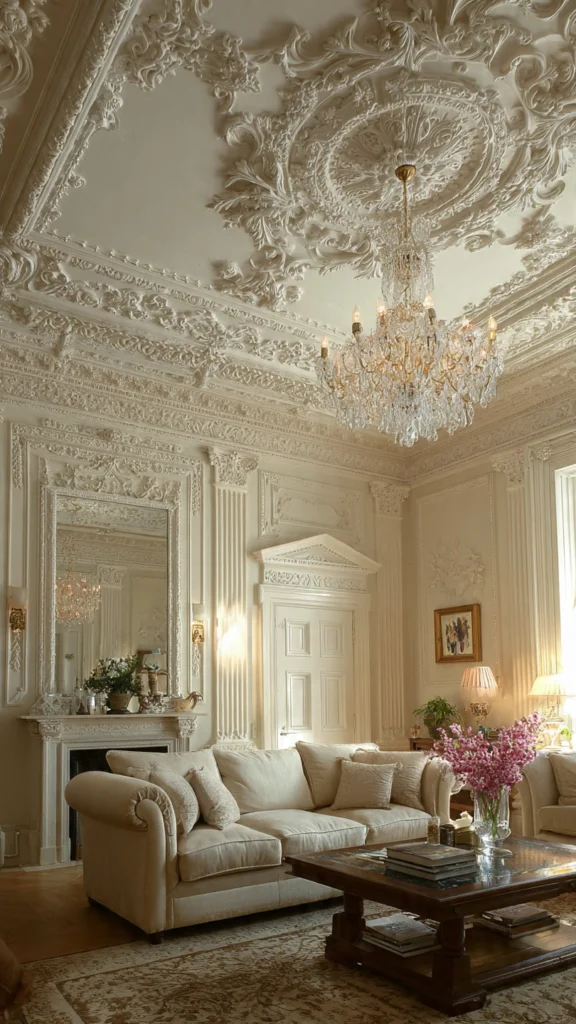
Ceiling roses represent the crowning glory of Edwardian interior design, transforming ordinary ceilings into works of art. These circular plasterwork medallions traditionally centered around light fixtures, featuring intricate patterns ranging from simple concentric circles to elaborate botanical motifs. The depth and dimensionality of authentic plasterwork creates dramatic shadows that change throughout the day, adding visual interest to what might otherwise be overlooked surfaces. Period homes often featured multiple ceiling roses of varying sizes, with the largest reserved for the main living areas.
Decorative cornicing along the junction between walls and ceilings provides another opportunity for architectural embellishment. Edwardian craftsmen employed various classical motifs including egg-and-dart patterns, dentil molding, and acanthus leaves to create borders that draw the eye upward. These horizontal bands of ornamentation help define room proportions while adding textural complexity. Restoration projects should prioritize preserving original plasterwork whenever possible, as modern reproductions rarely match the quality and character of period craftsmanship, though high-quality alternatives exist for those creating Edwardian-inspired spaces.
The color treatment of plasterwork deserves careful consideration to maximize its impact. Traditional Edwardian schemes typically featured bright white or cream plasterwork against slightly darker wall colors, creating clear definition between architectural elements. This contrast ensures decorative details remain visible rather than blending into surrounding surfaces. Modern paint technologies offer options specifically formulated for plasterwork, providing durability while maintaining the subtle texture variations that give these features their distinctive character and historical authenticity.
3. Rich Mahogany and Oak Wood Paneling
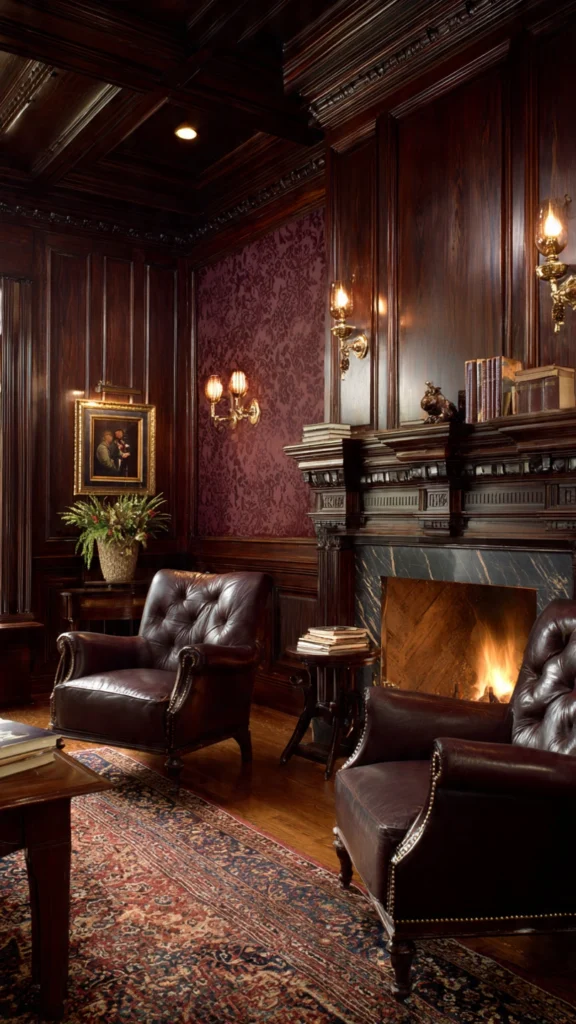
Wood paneling epitomizes Edwardian luxury, bringing warmth and gravitas to spacious living rooms. Full-height or wainscot paneling in mahogany, oak, or walnut creates an envelope of richness that’s both visually striking and acoustically beneficial. The wood’s natural grain patterns provide organic interest, while the substantial thickness of period paneling contributes to the room’s insulation and soundproofing. Edwardian craftsmen took pride in matching wood grains and creating seamless installations that showcased their technical expertise and attention to detail.
The construction of authentic paneling involves raised or recessed panels set within frames of vertical stiles and horizontal rails. This framework creates a grid pattern that adds architectural order to wall surfaces, with individual panels often measuring between eighteen and thirty-six inches in width. The depth variation between panels and frames produces subtle shadow lines that emphasize the three-dimensional quality of the woodwork. Modern installations can achieve similar effects using veneers over MDF cores, offering cost savings while maintaining aesthetic authenticity for those working within budget constraints.
Finishing treatments determine how wood paneling presents within the overall room scheme. Period approaches ranged from natural oils that enhanced grain visibility to darker stains that created dramatic, library-like atmospheres. The sheen level also varies from matte to high-gloss finishes, with medium-sheen options proving most popular for living rooms. Contemporary homeowners might lighten dark paneling through careful stripping and bleaching processes, revealing golden undertones while maintaining the wood’s historical integrity. Regular maintenance with quality wood care products preserves the paneling’s beauty for future generations.
4. Elegant Fireplace Mantels with Ceramic Tile Surrounds
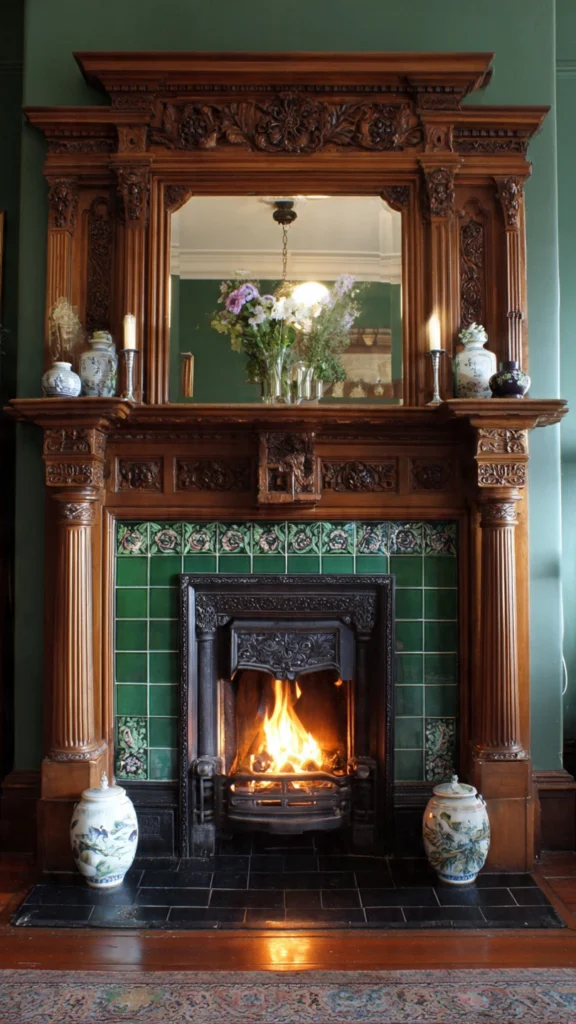
The fireplace served as both functional necessity and aesthetic centerpiece in Edwardian living rooms. Elaborate mantels crafted from oak, mahogany, or marble featured classical architectural elements including columns, pediments, and corbels that referenced Greek and Roman design traditions. The mantelpiece itself provided display space for treasured objects, creating a focal point that drew the eye and anchored furniture arrangements. Modern homeowners can source original mantels from architectural salvage yards or commission reproductions that capture the period’s craftsmanship and attention to proportion.
Ceramic tile surrounds distinguished Edwardian fireplaces from their Victorian predecessors, introducing lighter, more artistic approaches to this functional element. Tiles often featured Art Nouveau-influenced botanical designs, stylized peacock feathers, or geometric patterns in rich glazes of emerald, cobalt, burgundy, or cream. The smooth, reflective surfaces of glazed tiles contrasted beautifully with carved wood mantels, while their fire-resistant properties provided essential protection. Collections of original Edwardian tiles remain highly sought-after, with reproductions offering accessible alternatives for restoration projects requiring period-appropriate materials.
The hearth and fireback complete the fireplace ensemble, contributing both practical and decorative functions. Cast iron firebacks featuring classical or botanical motifs protected masonry from direct flame exposure while radiating heat efficiently into the room. The hearth, typically constructed from slate, marble, or ceramic tiles, extended beyond the fireplace opening to prevent ember damage to flooring. Contemporary installations might incorporate gas inserts behind period grates, preserving authentic appearances while providing convenient, clean-burning heat. Regular chimney maintenance ensures these beautiful features remain safe and functional for modern use.
5. Picture Rails and Carefully Curated Art Displays
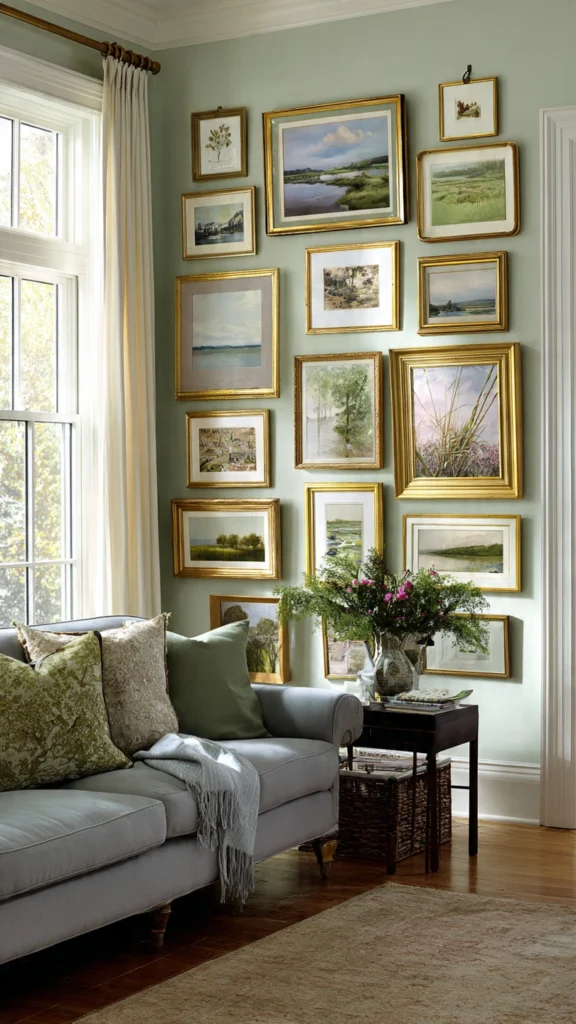
Picture rails revolutionized art display in Edwardian homes, offering flexibility that protected plaster walls from repeated nail holes. Installed approximately twelve to eighteen inches below the ceiling, these molded wooden strips featured a groove or projection from which hooks could suspend chains or cords. This system allowed homeowners to rearrange artwork easily, adjusting heights and positions to accommodate new acquisitions or seasonal changes. The rails themselves became decorative architectural features, typically painted to match cornicing or left in natural wood finishes that complemented paneling and trim.
Art selection in Edwardian living rooms reflected the era’s aesthetic preferences, favoring romantic landscapes, portraiture, and botanical studies over the darker, more dramatic subjects popular in Victorian times. Watercolors gained particular favor for their luminous qualities and suitability to well-lit rooms, while oil paintings provided gravitas to formal spaces. The framing choices emphasized craftsmanship, with gilded frames, wide mats, and quality glazing protecting and presenting artworks as precious objects. Modern collectors can emulate this approach by selecting period-appropriate subjects and framing styles that honor Edwardian sensibilities.
Gallery walls arranged along picture rails create visual rhythm and narrative interest within spacious rooms. The Edwardian approach favored symmetrical arrangements or carefully balanced asymmetric compositions that guided the viewer’s eye through the display. Mixing frame sizes and orientations adds variety while maintaining cohesion through consistent matting or frame finishes. Contemporary interpretations might include museum-quality LED picture lights that illuminate artworks without damage, or the integration of modern pieces within period frames to create dialogue between historical and contemporary aesthetics that respect the room’s architectural character.
6. Tall Sash Windows with Deep Window Sills
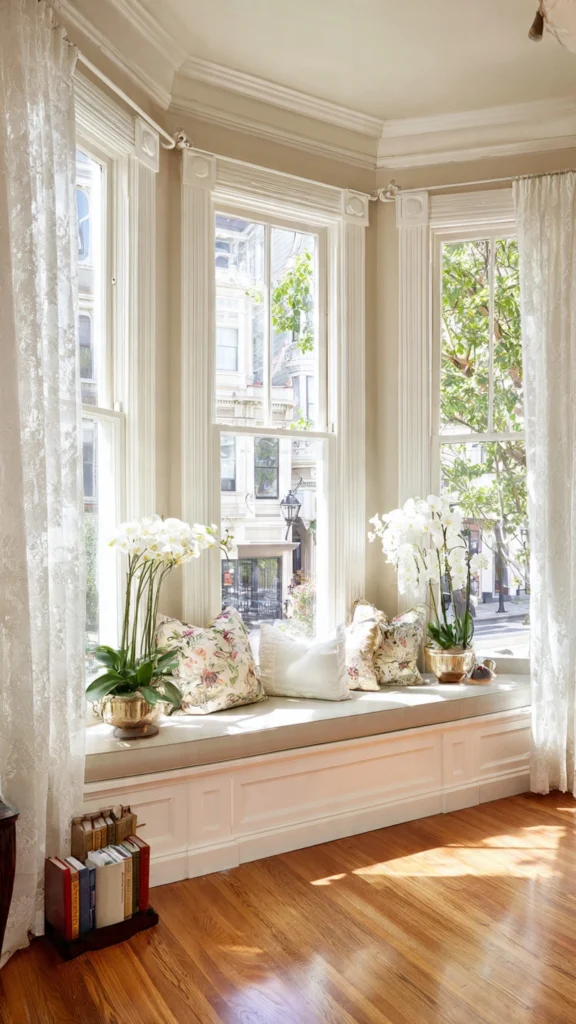
Sash windows epitomize Edwardian architectural refinement, combining elegance with exceptional functionality. These vertically sliding windows typically featured larger panes than their Victorian predecessors, reflecting advances in glass manufacturing that made bigger sheets more affordable and readily available. The upper and lower sashes operated on counterweight systems hidden within the window frames, allowing smooth operation and positioning at various heights for optimal ventilation. Restoring original sash windows preserves historical authenticity while providing excellent energy efficiency when properly maintained and fitted with appropriate weather stripping.
Deep window sills created by thick exterior walls provided natural display platforms for plants, decorative objects, and practical items. These substantial ledges, often measuring six to eight inches deep, could accommodate substantial potted plants that thrived in abundant natural light. The Edwardians particularly favored ferns, palms, and flowering bulbs that brought nature indoors, creating connections between garden and interior spaces. Modern homeowners might style these sills with collections of vintage glass, ceramic vessels, or seasonal displays that change throughout the year while respecting the period’s aesthetic sensibilities.
Window treatments for tall sash windows balanced privacy needs with light admission, using layered approaches that offered flexibility throughout the day. Sheer lace or muslin curtains provided daytime screening while allowing filtered light to illuminate interiors, protecting furnishings from direct sun exposure. Heavier drapes in velvet, damask, or brocade added nighttime privacy and draft protection, typically hung from wooden or brass poles with decorative finials. Contemporary treatments might incorporate thermal linings or cellular shades behind period-appropriate fabrics, maintaining authentic appearances while improving energy efficiency and comfort levels.
7. Parquet Flooring in Geometric Patterns
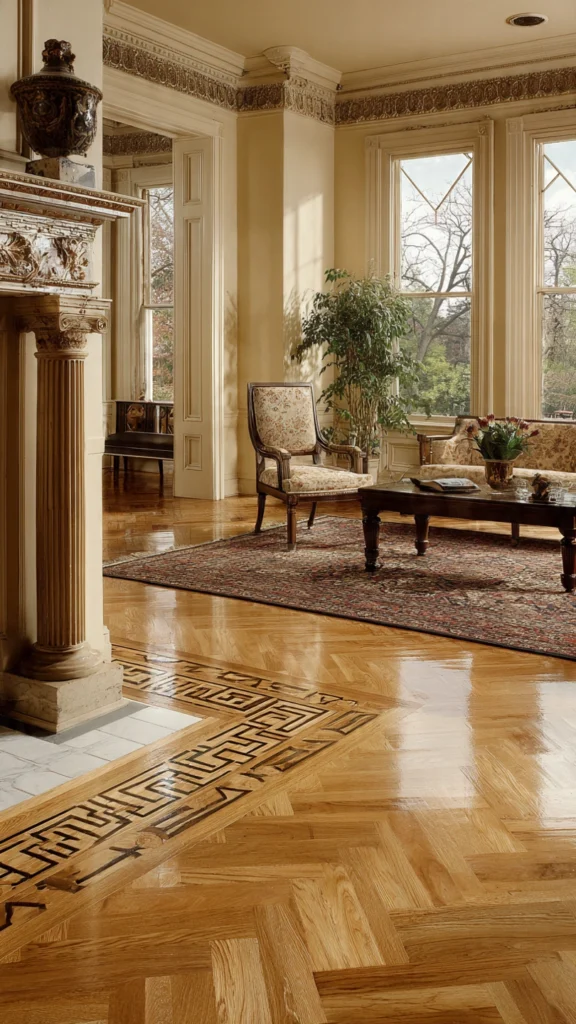
Parquet flooring represents the pinnacle of Edwardian floor craftsmanship, transforming functional surfaces into geometric artworks. Individual wood pieces, typically oak, mahogany, or walnut, were precisely cut and fitted to create patterns ranging from simple herringbone to elaborate basket-weave designs. The most prestigious homes featured bordered patterns with darker wood inlays creating frames around room perimeters, adding definition and formality to living spaces. These floors required exceptional skill to install, with each piece individually placed and secured, resulting in surfaces that could last centuries with proper care.
The most popular Edwardian parquet patterns included herringbone, chevron, basket-weave, and Versailles designs. Herringbone arrangements created diagonal movement across floors through rectangular blocks placed at right angles, while chevron patterns formed continuous zigzag lines with pieces cut at precise angles. Basket-weave patterns alternated the grain direction of square blocks to create woven visual effects, and Versailles patterns incorporated geometric motifs within square frames. Modern installations can achieve similar effects using engineered parquet products that offer dimensional stability while maintaining traditional aesthetics at reduced costs.
Finishing and maintenance practices significantly impact parquet flooring’s appearance and longevity. Period floors typically received multiple coats of oil-based polyurethane or traditional wax finishes that enhanced wood grains while providing protection from wear. High-gloss finishes created formal, reflective surfaces suitable for entertaining spaces, while satin finishes offered subtle elegance with easier maintenance. Contemporary care involves regular sweeping or vacuuming, occasional damp mopping with wood-specific cleaners, and periodic refinishing to address wear patterns. Protecting floors from furniture damage through felt pads and area rugs preserves these beautiful surfaces for future generations.
8. Built-in Bookcases with Glazed Cabinet Doors
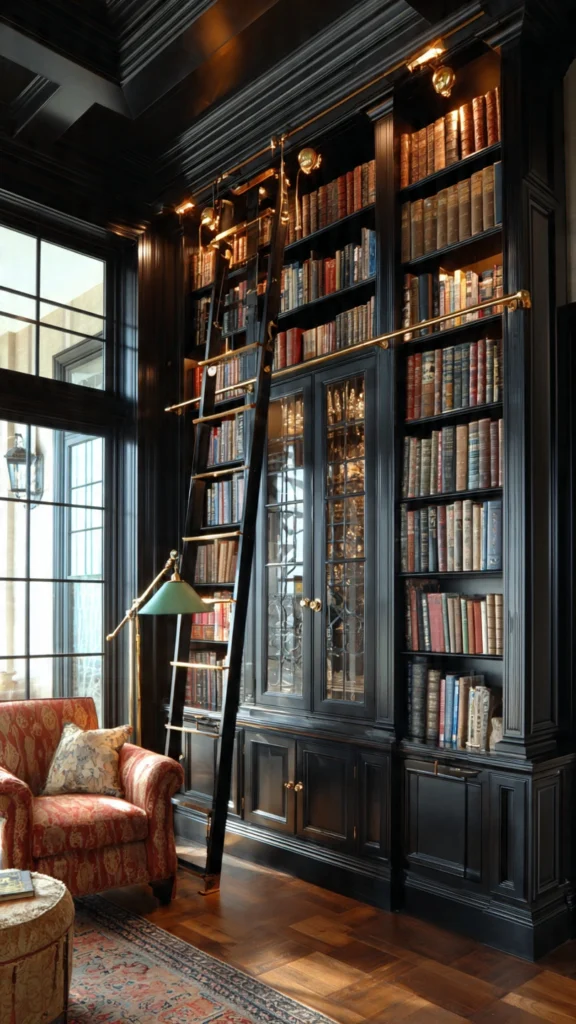
Built-in bookcases exemplified Edwardian values of learning and culture while maximizing space efficiency in generous living rooms. These custom millwork installations typically flanked fireplaces or filled alcoves, creating architectural features that served both storage and display functions. The joinery quality of period bookcases exceeded modern standards, with dovetailed corners, adjustable shelving on brass pins, and careful attention to grain matching across multiple sections. Original built-ins significantly enhance property values, representing irreplaceable craftsmanship that connects present occupants with the home’s historical narrative and original design intent.
Glazed cabinet doors protected valuable books and objects from dust while allowing visual appreciation of collections. The glass panels, often arranged in traditional divided patterns with wooden muntins, created visual interest through their geometric compositions. Some installations featured leaded or beveled glass that added decorative elements while maintaining transparency. The lower cabinets typically included solid wood doors or drawers that concealed less attractive storage items, creating clean lines at eye level. Modern restorations should preserve or replicate original glass types and muntin configurations to maintain architectural authenticity.
Styling built-in bookcases requires balancing aesthetic appeal with practical storage needs. The Edwardian approach favored organizing books by size and binding color, creating visually pleasing arrangements that showcased leather-bound volumes as decorative objects. Interspersing books with ceramics, framed photographs, and small sculptures prevented monotony while displaying treasured possessions. Contemporary approaches might incorporate task lighting within shelving units, highlighting collections while providing reading illumination. Maintaining consistent spacing and avoiding overcrowding ensures displays remain elegant rather than cluttered, respecting the refined sensibilities characteristic of Edwardian design principles.
9. Crown Molding and Multi-Layer Trim Details
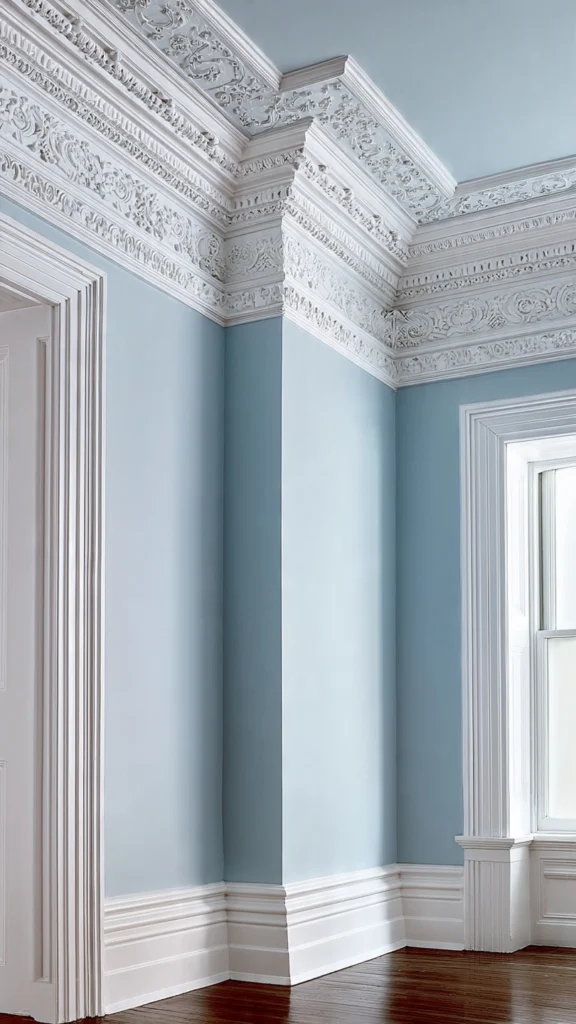
Crown molding in Edwardian living rooms transcended simple transitions between walls and ceilings, becoming statements of architectural sophistication. Multiple molding profiles stacked together created complex, multi-dimensional borders that caught and reflected light throughout the day. These assemblies might combine four or five distinct profiles, each contributing specific visual elements like egg-and-dart patterns, dentil blocks, rope twists, or simple coves. The cumulative effect produced substantial visual weight that balanced tall ceilings while adding human-scale detail to otherwise overwhelming proportions.
The selection and arrangement of molding profiles followed classical architectural principles derived from Greek and Roman orders. Proper sequences moved from smaller, more delicate patterns at the bottom of the assembly to larger, bolder elements near the ceiling, creating logical visual progressions. Professional installers understood how different profiles cast shadows at various times of day, positioning elements to maximize dimensional impact. Modern reconstructions can source period-appropriate moldings from specialty millwork companies or combine standard profiles to approximate historical assemblies, achieving impressive results with careful planning and precise installation techniques.
Baseboards received similar multi-layer treatment, grounding room proportions while protecting walls from furniture damage. Typical assemblies included a substantial base board topped with cap molding and sometimes preceded by base shoe molding where floors met walls. Heights ranged from eight to twelve inches, with grander rooms warranting taller proportions. The finish carpentry techniques employed in Edwardian construction created seamless joints at corners and connections, demonstrating craftsmanship levels rarely matched by contemporary builders. Preserving or recreating these details maintains architectural integrity while significantly enhancing rooms’ perceived value and character.
10. Period-Appropriate Color Schemes with Rich Jewel Tones
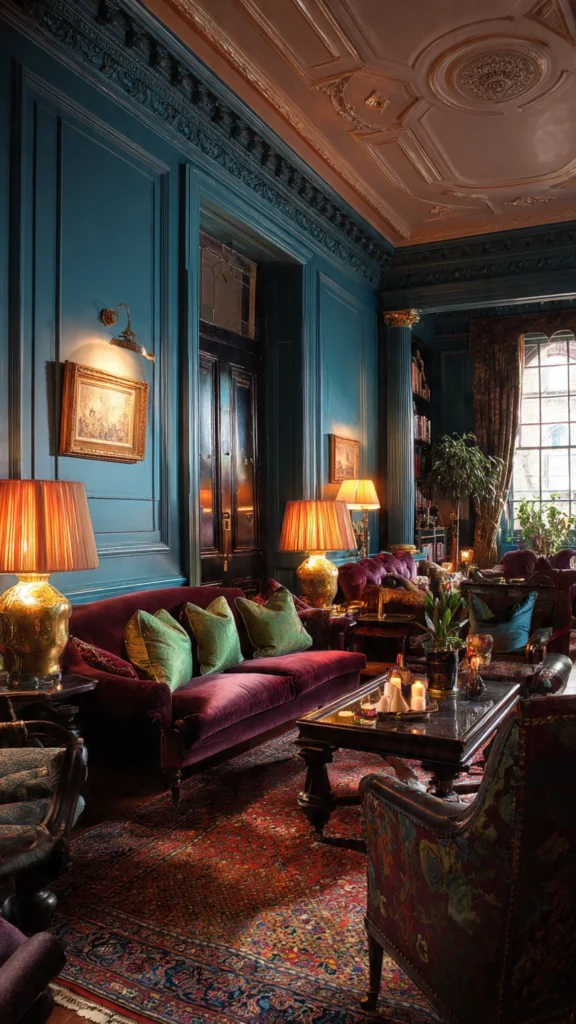
Edwardian color palettes marked a deliberate departure from darker Victorian schemes, embracing lighter yet still sophisticated hues. Walls frequently featured jewel tones like sapphire blue, emerald green, ruby red, or amethyst purple that created rich backgrounds without the oppressive darkness of earlier periods. These colors worked beautifully in spacious rooms with abundant natural light, gaining depth and complexity as sunlight shifted throughout the day. The preference for matte or eggshell finishes rather than glossy surfaces created subtle, elegant backdrops that didn’t compete with architectural details or furnishings.
Complementary accent colors built upon primary wall hues, creating harmonious schemes that demonstrated refined taste. Cream, ivory, and soft gold provided lightening elements through woodwork, ceiling paint, and textile selections. Metallic accents in brass, bronze, or copper added warmth and luxury without overwhelming spaces. The Edwardians understood color relationships intuitively, often working within analogous or complementary color theories to create cohesive environments. Modern paint manufacturers offer historically accurate color collections specifically formulated to replicate period pigments and finishes, simplifying the process of achieving authentic appearances.
Natural materials contributed additional color layers that enriched overall schemes. Hardwood floors in warm honey or reddish tones, oriental rugs with complex multicolored patterns, and upholstery fabrics in coordinating hues all participated in creating sophisticated color stories. The key to successful Edwardian color implementation involves balancing richness with restraint, ensuring no single element overwhelms the composition. Contemporary approaches might lighten traditional schemes slightly for modern preferences while maintaining the characteristic depth and warmth that defines Edwardian elegance and distinguishes these interiors from both earlier and later design periods.
11. Brass and Crystal Lighting Fixtures
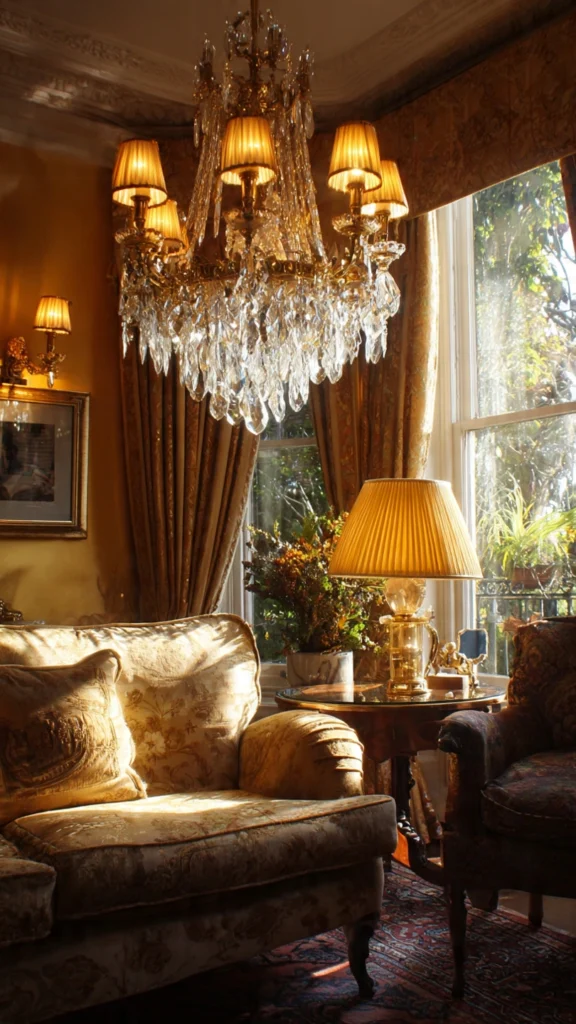
Lighting technology advanced significantly during the Edwardian era, with electric illumination gradually replacing gas fixtures in affluent homes. Brass became the preferred metal for fittings, valued for its warm golden tones and ability to take polished or antiqued finishes. Crystal elements, whether cut glass drops on chandeliers or pressed glass shades, refracted light beautifully while demonstrating the homeowner’s prosperity and taste through these precious materials.
Chandeliers served as sculptural focal points while providing general illumination for entertaining and daily activities. Edwardian designs favored symmetrical compositions with multiple arms radiating from central columns, each terminating in frosted or etched glass shades that diffused light pleasantly. Modern installations benefit from dimmer switches and LED bulbs that approximate warm incandescent tones while improving energy efficiency, maintaining period aesthetics while embracing contemporary convenience.
12. Turkish and Persian Rug Layering
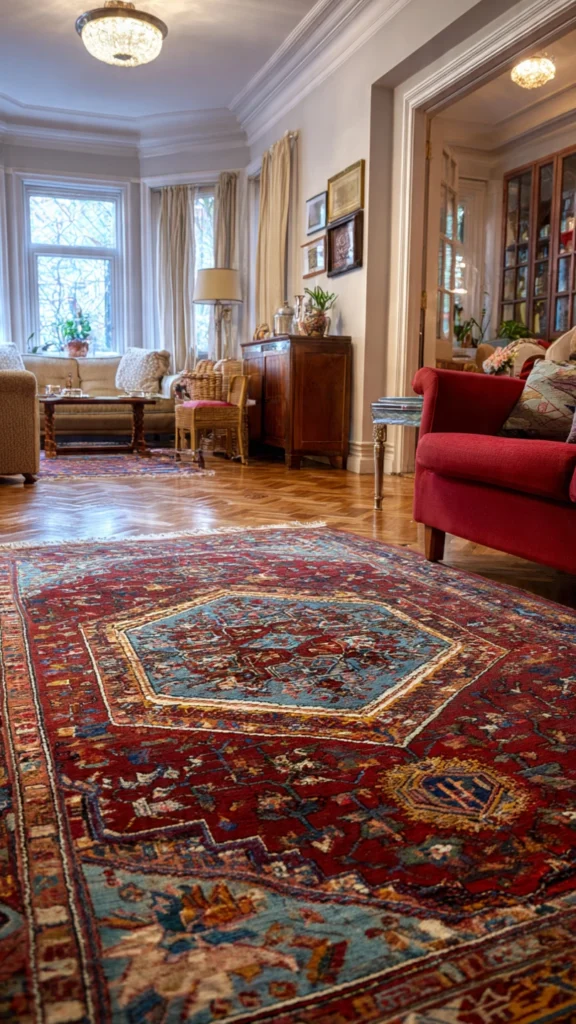
Oriental rugs defined Edwardian luxury, bringing color, pattern, and cultural sophistication to spacious living rooms. Persian rugs particularly appealed to Edwardian sensibilities, offering intricate designs featuring central medallions, floral motifs, and elaborate borders worked in rich vegetable dyes. The finest examples came from regions like Tabriz, Kashan, and Isfahan, representing hundreds of hours of skilled hand-knotting by master weavers. These rugs functioned as practical floor coverings while serving as valuable art pieces that demonstrated the owner’s refinement, wealth, and appreciation for Eastern craftsmanship.
Rug placement followed specific conventions that balanced aesthetic impact with practical considerations. Large rugs typically centered within seating areas, sized so front furniture legs rested on the rug while back legs remained on bare floor. This arrangement defined conversation zones while showcasing beautiful flooring around room perimeters. Smaller accent rugs marked transitional spaces like doorways or highlighted specific furniture pieces such as pianos or reading chairs. The layering technique, occasionally employed in the most luxurious homes, created exceptional depth and richness, though it required careful color and pattern coordination to avoid visual chaos.
Maintaining antique rugs ensures these investments retain beauty and value across generations. Regular vacuuming removes dust and dirt that can damage fibers over time, while professional cleaning every few years addresses deeper soiling without harsh chemicals. Rotating rugs periodically equalizes wear patterns and sun exposure, preventing uneven fading. Pad foundations protect rug backs while preventing slippage on smooth floors. Contemporary collectors can source authentic antique rugs through specialty dealers or auctions, with condition, provenance, and rarity significantly affecting values. Quality reproductions offer accessible alternatives that capture traditional aesthetics at more moderate price points.
13. Furniture Arrangements Emphasizing Conversation and Flow
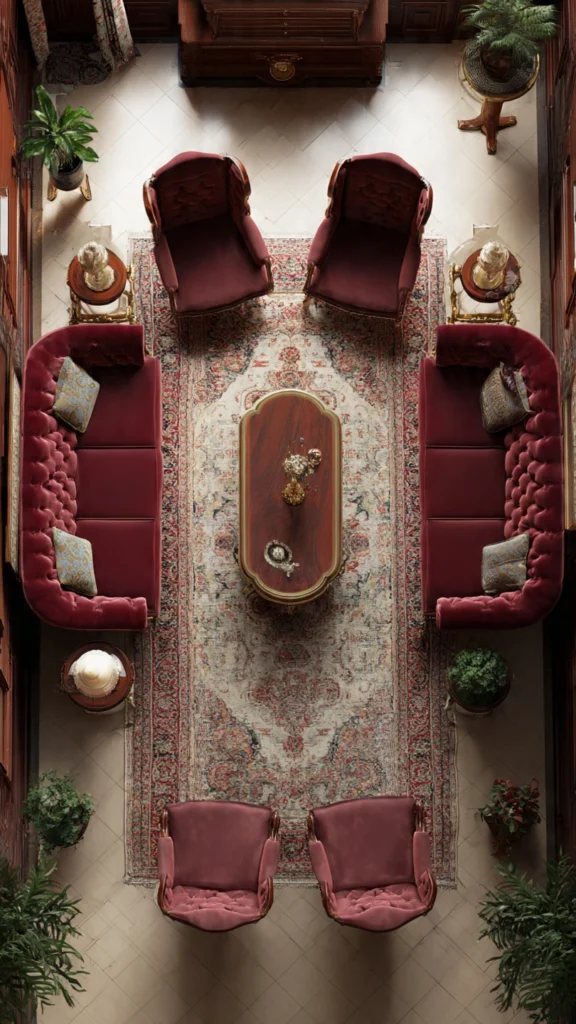
Furniture arrangement in Edwardian living rooms prioritized social interaction and graceful circulation through generous spaces. Seating pieces formed conversation groupings oriented around focal points like fireplaces or bay windows, with chairs and sofas positioned to facilitate comfortable discussion without guests straining to see or hear one another. The spacious proportions of these rooms allowed multiple furniture groupings that served different purposes, from formal receiving areas near entries to intimate reading corners by windows, all connected by clear traffic paths that prevented awkward navigation.
Symmetrical arrangements demonstrated classical design principles while creating visual calm and order. Matching pairs of chairs flanked fireplaces, identical tables anchored room corners, and balanced lighting arrangements ensured even illumination. This formality never sacrificed comfort or functionality, however, with each piece serving practical purposes beyond aesthetic contribution. The Edwardians understood spatial relationships intuitively, maintaining adequate clearances between furniture pieces while avoiding the sparse, unfurnished appearance that suggests insufficient possessions. Modern arrangements can replicate this balance by measuring carefully and creating scaled floor plans before committing to furniture placement.
Occasional furniture filled supporting roles, providing surfaces for lamps, beverages, and decorative objects while maintaining flexibility. Nesting tables, plant stands, magazine racks, and screen panels could be repositioned as needs changed, from daily family use to formal entertaining. The quality of these secondary pieces matched primary furniture, creating cohesive environments where every element demonstrated comparable craftsmanship. Contemporary Edwardian-inspired living rooms benefit from this approach, selecting occasional pieces that complement rather than contrast with major furniture, building unified schemes that respect period aesthetics while accommodating modern lifestyles and technology requirements.
14. Decorative Screens and Room Dividers
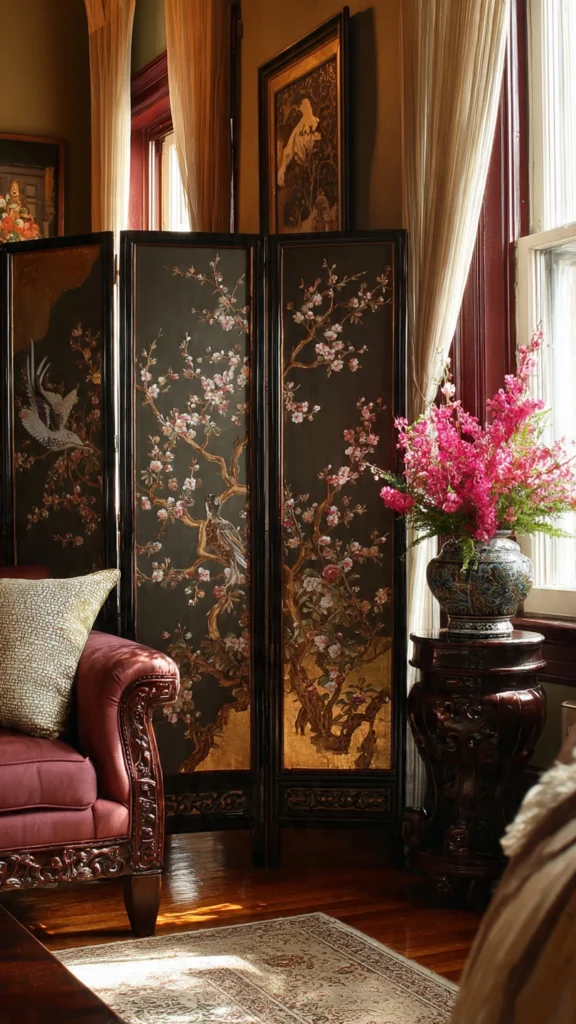
Decorative screens served multiple purposes in Edwardian living rooms, offering privacy, draft protection, and opportunities for artistic expression. These portable room dividers allowed flexible space division without permanent architectural changes, creating intimate areas within larger rooms for reading, conversation, or musical performance. The finest examples featured hand-painted leather panels, embroidered silk, or carved wooden fretwork that demonstrated exceptional craftsmanship. Folding hinges allowed screens to be configured in various shapes or folded flat for storage, providing adaptability that suited the era’s love of entertaining and frequent room rearrangements.
The aesthetic variety of Edwardian screens reflected the period’s eclectic influences, from Japanese-inspired designs featuring cherry blossoms and cranes to Arts and Crafts examples with stylized botanical motifs. Some screens incorporated mirrors or decorative glass panels that caught and reflected light while maintaining semi-transparency. The frames, typically constructed from mahogany, oak, or bamboo, featured varying levels of ornamentation from simple squared edges to elaborate carved capitals and feet. Collecting or commissioning screens allows contemporary homeowners to add authentic period elements that provide both decorative interest and practical functionality.
Strategic screen placement enhanced room functionality while contributing to overall design schemes. Positioning screens near entryways created buffer zones that prevented direct views into living areas, maintaining privacy without solid walls. Placing screens between seating groups and piano areas allowed musical practice without complete isolation from family activities. Corner placements displayed screens as decorative objects while concealing storage or unsightly architectural features. Modern applications might use screens to hide television equipment or home office areas within open-plan spaces, maintaining period aesthetics while accommodating contemporary lifestyle needs that would have been inconceivable to original Edwardian occupants.
15. Potted Palms and Indoor Plant Displays
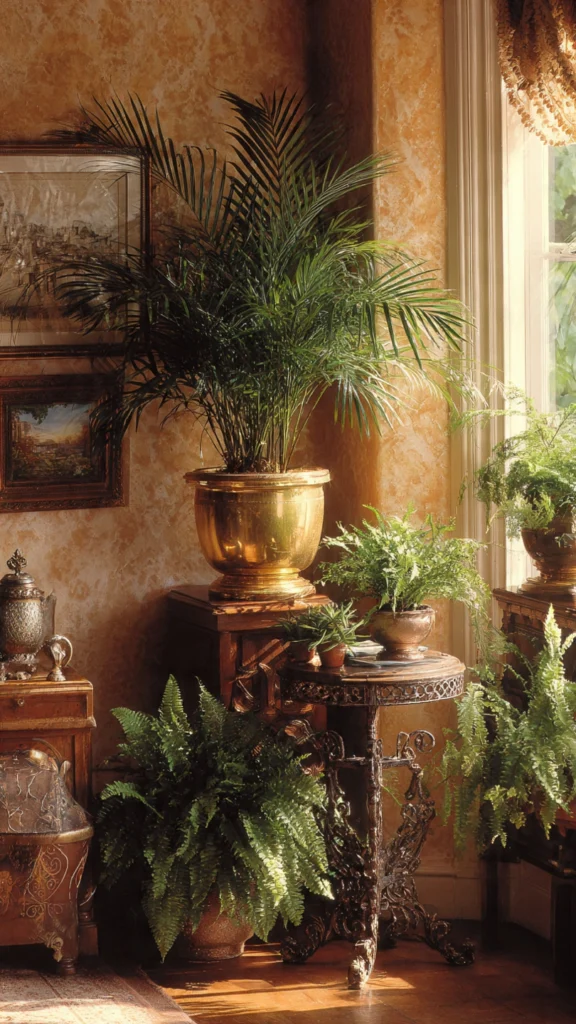
Indoor plants played essential roles in Edwardian living rooms, softening architectural formality while demonstrating horticultural skill and prosperity. Potted palms particularly embodied the era’s aesthetic, their exotic tropical origins suggesting worldliness and culture while their substantial size filled vertical space in tall-ceilinged rooms. Kentia and parlor palms thrived in interior conditions, requiring minimal care while providing year-round greenery. These plants typically resided in decorative cachepots crafted from brass, ceramic, or wicker, with the most elaborate examples featuring embossed patterns or hand-painted designs coordinating with room color schemes.
The Victorian passion for ferneries continued into the Edwardian period, with Boston ferns, maidenhair ferns, and asparagus ferns adorning dedicated plant stands, mantelpieces, and table surfaces. These delicate plants added textural contrast to solid furniture and architectural elements, their feathery fronds creating movement as air currents stirred them. Plant stands ranged from simple tripod designs to elaborate multi-tiered affairs that displayed collections at various heights, creating living sculptures within room corners. The care requirements of period plants suited the era’s slower pace, with dedicated gardeners or plant enthusiasts tending specimens daily.
Modern Edwardian-inspired spaces can incorporate period-appropriate plants that suit contemporary lifestyles and varying light conditions. Snake plants, rubber plants, and peace lilies offer easier care than traditional palms while providing similar vertical presence and air-purifying benefits. Vintage or reproduction cachepots and plant stands from antique markets or specialty retailers complete authentic presentations. Grouping plants of varying heights and textures creates the abundant displays favored in period rooms, while modern self-watering containers and grow lights support healthy growth even in challenging conditions, allowing today’s homeowners to enjoy the Edwardian love of indoor gardens.
Conclusion For Spacious Edwardian living rooms
Spacious Edwardian living rooms represent a golden age of domestic architecture, combining generous proportions with refined detailing that remains deeply appealing to contemporary homeowners. Whether you’re fortunate enough to own a period property or seeking to incorporate Edwardian elements into a newer space, these fifteen design ideas provide a comprehensive foundation for creating rooms that honor this elegant era. From architectural features like bay windows and ceiling roses to decorative elements including oriental rugs and brass lighting, each component contributes to the sophisticated, welcoming atmosphere characteristic of Edwardian design.
The enduring appeal of Edwardian living rooms lies in their successful balance between formality and comfort, grandeur and livability. These spaces were designed for both impressive entertaining and comfortable daily life, a versatility that serves modern needs remarkably well. By understanding and implementing authentic design principles while adapting them to contemporary requirements, you can create living spaces that celebrate historical craftsmanship while providing all the conveniences expected in today’s homes, ensuring these beautiful rooms continue inspiring and delighting for generations to come.